


How Parents Can Monitor Online Quran Lessons Without Taking Over the Lesson
Children need parent visibility and support, but constant intervention can prevent the teacher from building a direct learning relationship. This guide explains a practical way to approach the issue without turning Quran or Arabic learning into a race through pages. It is written for parents of children learning online, with an emphasis on accurate practice, realistic routines and teacher feedback that changes what the learner can actually do.

For monitor online Quran lessons parents, begin by checking the learner's current level, then observe patterns after the lesson: attendance, homework, recurring corrections and progress notes. Keep independent practice manageable: ask the child one simple question about what they practised instead of retesting the whole lesson immediately. Avoid correcting the child over the teacher, answering for them or interrupting every hesitation. Progress should be visible through the child communicates directly with the teacher while the parent still understands the learning plan, not only through the amount of material completed.
What this guide will help you decide
The goal is not to create a perfect study system on paper. It is to identify the next useful skill, practise it accurately and know how to tell whether the plan is working.
Start with the real problem, not the label
Children need parent visibility and support, but constant intervention can prevent the teacher from building a direct learning relationship. Good decisions about monitor online Quran lessons parents start with diagnosis. Two learners can appear to have the same problem while needing very different next steps. Before adding more material, observe what happens during a real task. Does the learner hesitate before recognising a symbol, forget after a delay, lose accuracy when the pace rises, or understand the idea but fail to apply it? That distinction matters because a useful plan should remove the bottleneck rather than simply add more lesson time.
A useful checkpoint is simple: can the learner perform the target with less prompting than before, and can the same skill survive a slightly different example? If not, reduce the task, correct the exact difficulty and repeat at the right level instead of adding more material.
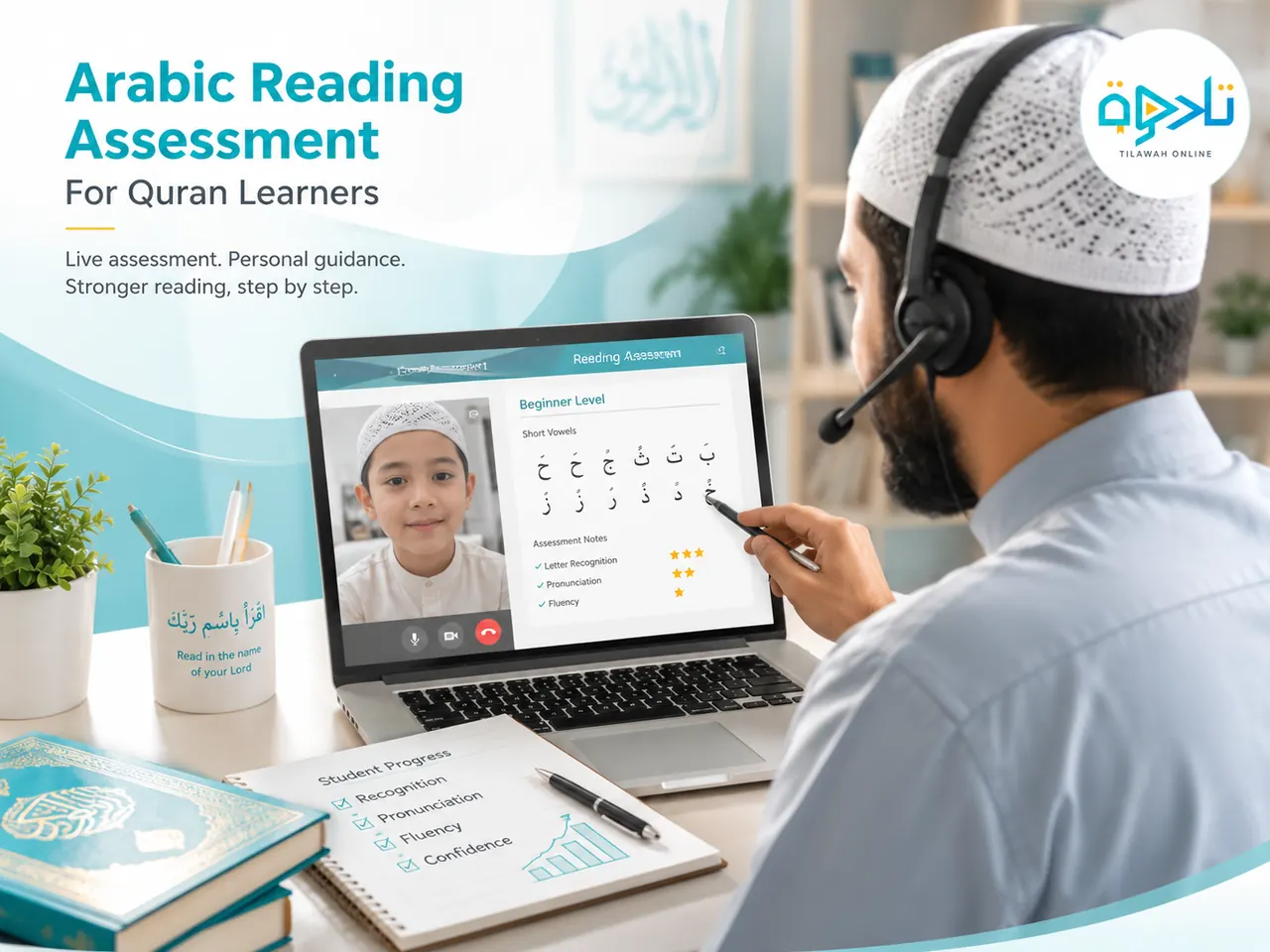
Build the foundation that the next stage depends on
A sensible starting point is agree on when a parent should stay nearby, especially for younger children, and what information the teacher will report. The aim is not to stay at foundation level indefinitely; it is to make the next skill possible. When this base is unstable, learners often compensate by guessing, copying a model without understanding it, or relying heavily on prompts. A teacher should therefore check whether the foundation is reliable in unfamiliar examples, not only in material the learner has rehearsed many times.
A useful checkpoint is simple: can the learner perform the target with less prompting than before, and can the same skill survive a slightly different example? If not, reduce the task, correct the exact difficulty and repeat at the right level instead of adding more material.
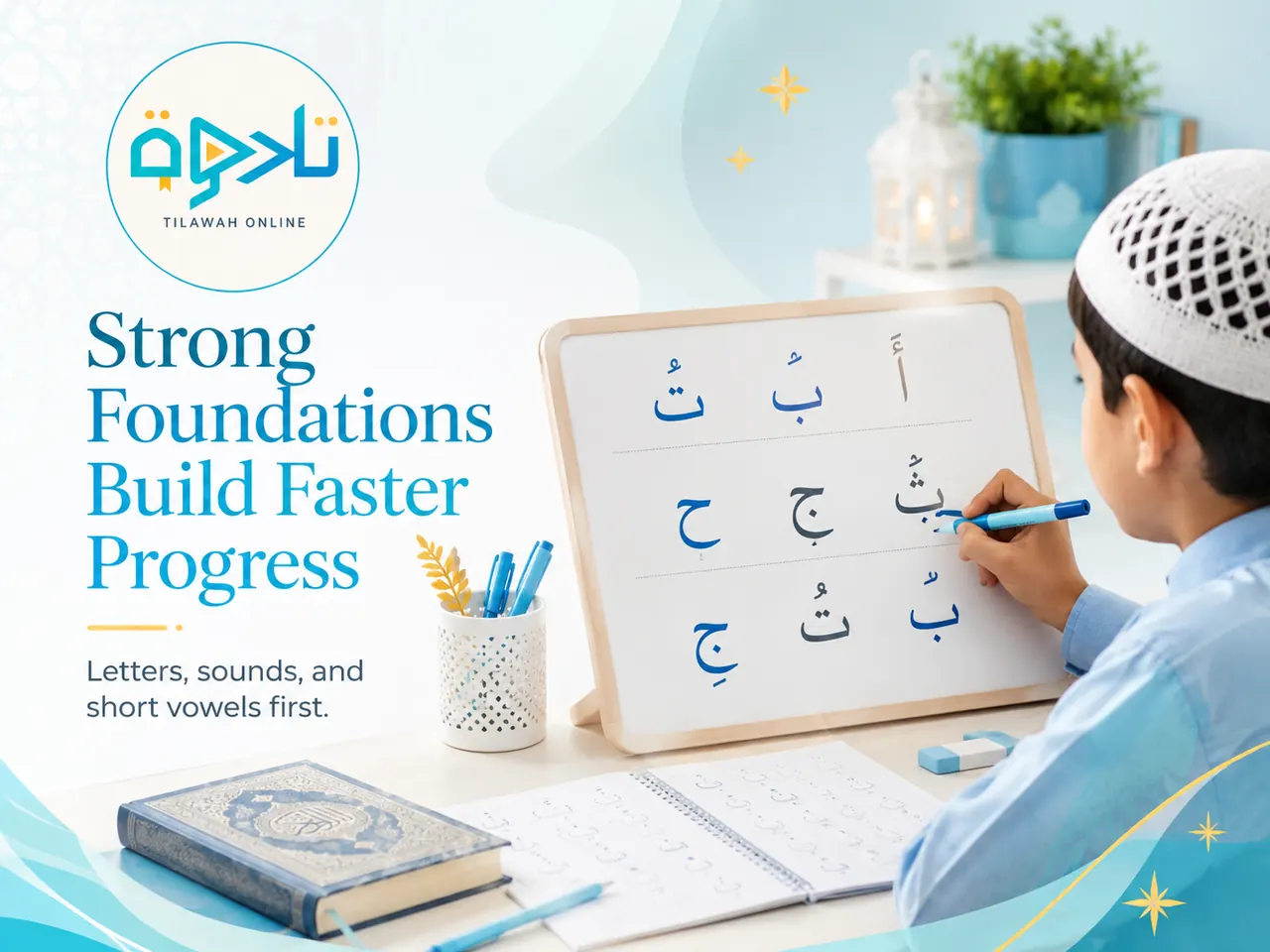
Use a progression that creates transfer
The core learning method is to observe patterns after the lesson: attendance, homework, recurring corrections and progress notes. Each step should appear first in a controlled example and then in a slightly less familiar one. That transfer is important: a learner has not fully gained a skill if it works only on the exact page used in the lesson. The next activity should therefore preserve the same target while changing the wording, passage, starting point or context.
A useful checkpoint is simple: can the learner perform the target with less prompting than before, and can the same skill survive a slightly different example? If not, reduce the task, correct the exact difficulty and repeat at the right level instead of adding more material.
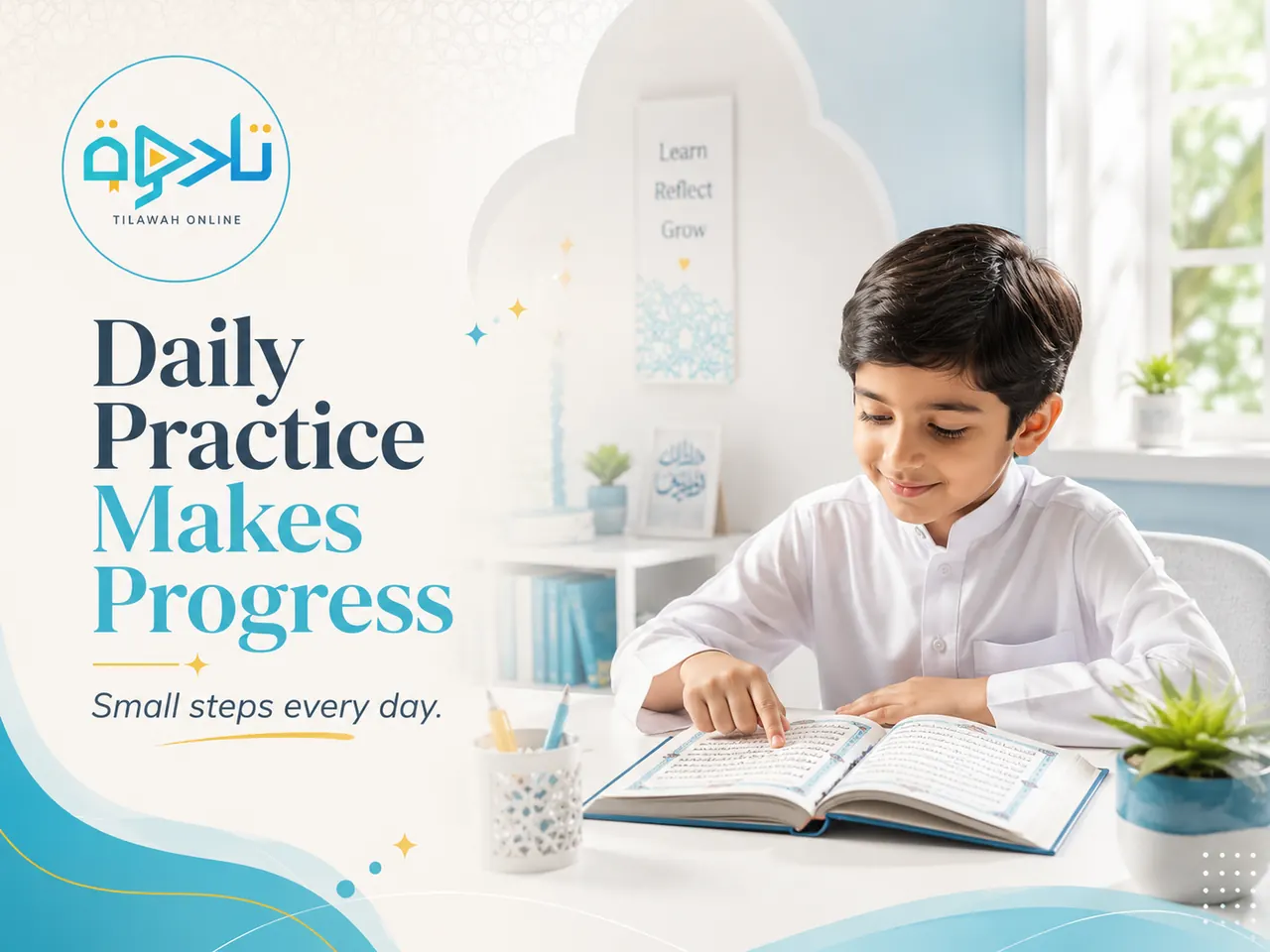
Keep home practice short enough to repeat
Between lessons, a practical approach is to ask the child one simple question about what they practised instead of retesting the whole lesson immediately. Short practice can be more valuable than occasional long sessions because the learner receives repeated contact with the same target. Home practice should also be safe: if the learner is unsure how a sound, rule or passage should be performed, it is better to return to a corrected model than to repeat uncertainty many times.
A useful checkpoint is simple: can the learner perform the target with less prompting than before, and can the same skill survive a slightly different example? If not, reduce the task, correct the exact difficulty and repeat at the right level instead of adding more material.
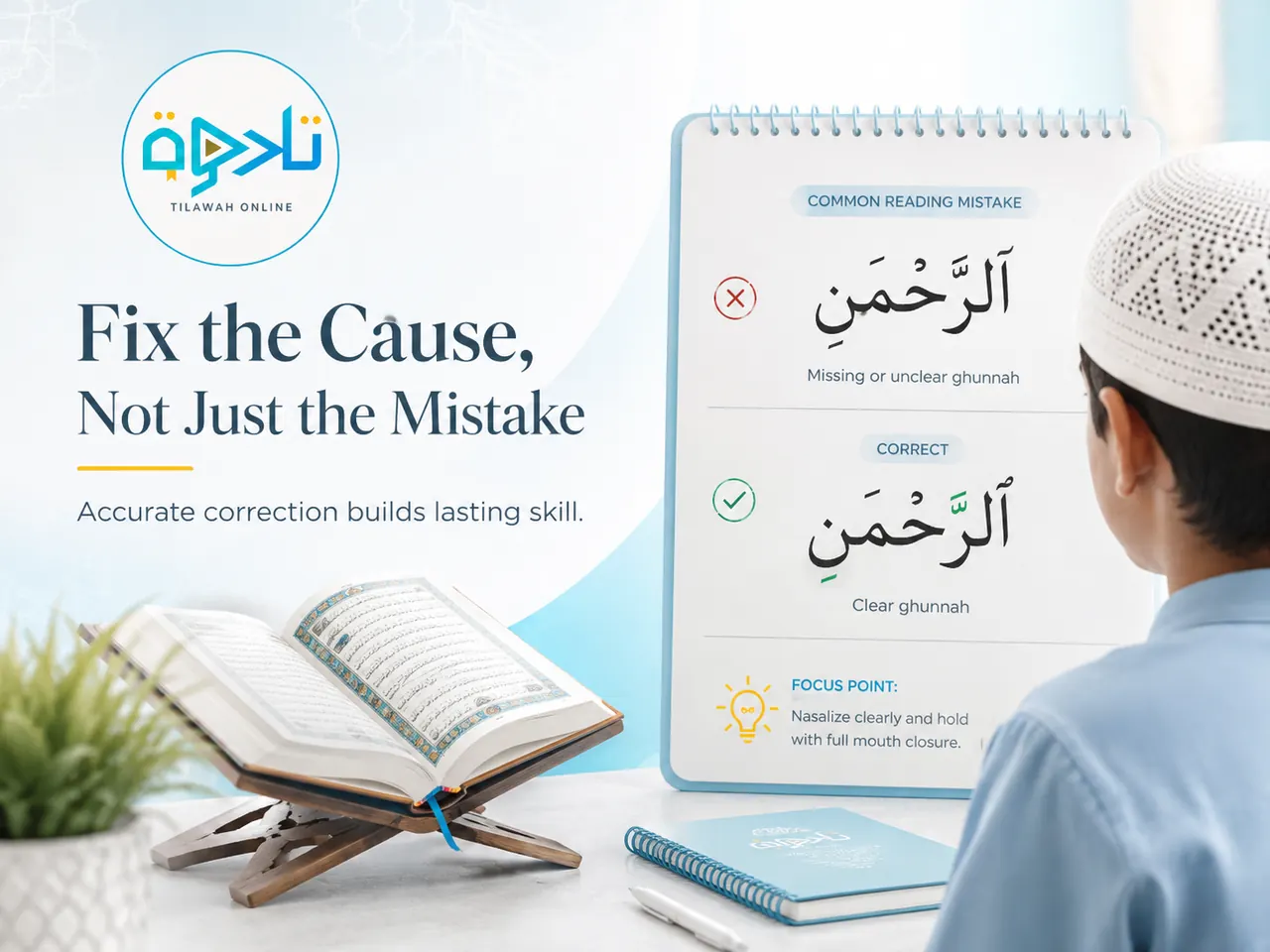
Avoid the mistake that makes progress look faster than it is
A common trap is correcting the child over the teacher, answering for them or interrupting every hesitation. This can create impressive short-term output while leaving the underlying skill weak. The better question is not how much material was touched, but how much can now be performed with less help. Quality control matters especially in Quran learning because repeated inaccuracies can become habits that later require more effort to undo.
A useful checkpoint is simple: can the learner perform the target with less prompting than before, and can the same skill survive a slightly different example? If not, reduce the task, correct the exact difficulty and repeat at the right level instead of adding more material.
Measure progress with evidence
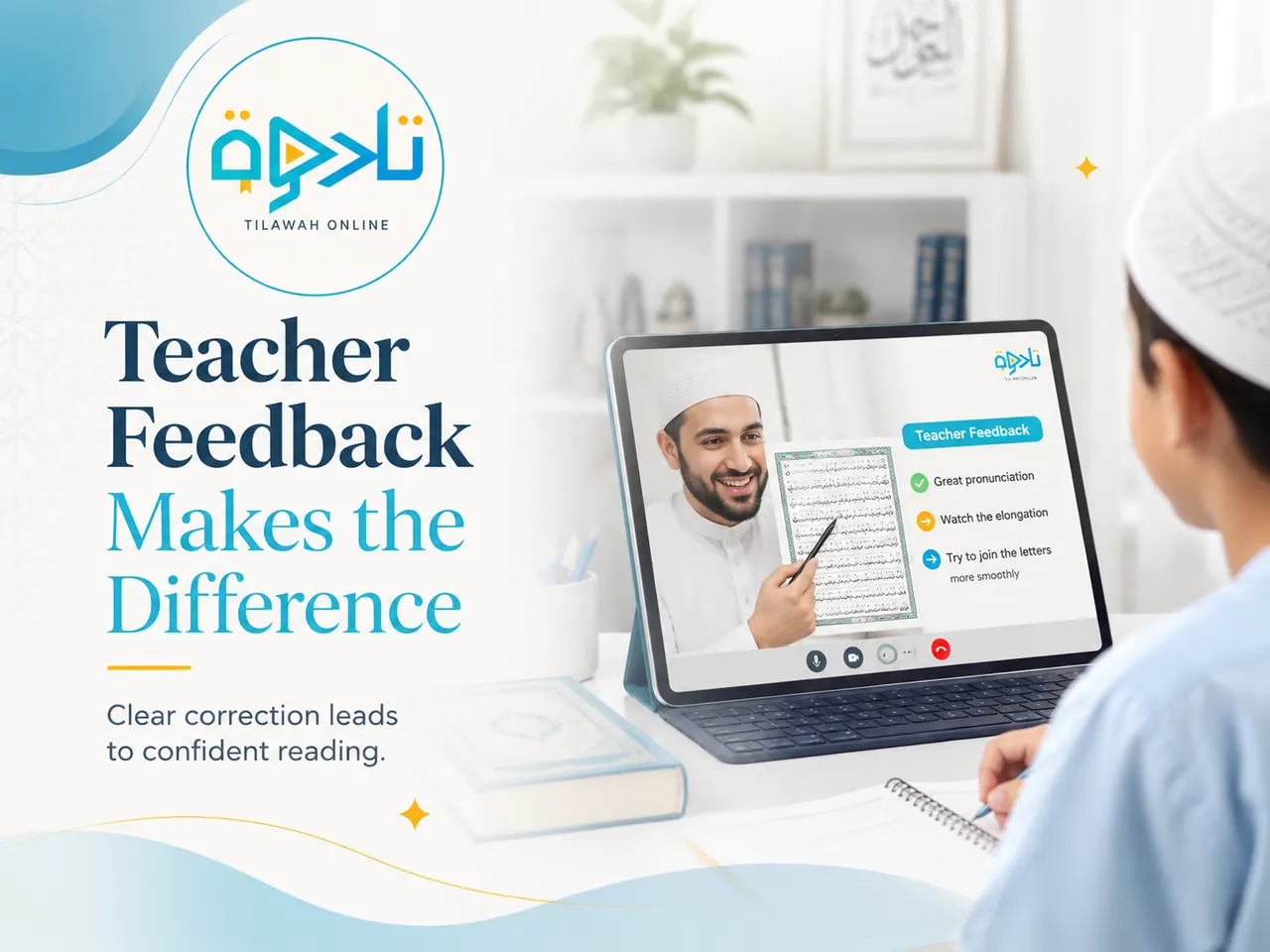
One useful sign of progress is the child communicates directly with the teacher while the parent still understands the learning plan. Measure the same type of task at sensible intervals rather than judging every day. Normal learning includes uneven sessions: tiredness, unfamiliar material and concentration all affect performance. What matters is the direction over several weeks—greater independence, fewer recurring corrections and a clearer ability to carry the skill into new material.
A useful checkpoint is simple: can the learner perform the target with less prompting than before, and can the same skill survive a slightly different example? If not, reduce the task, correct the exact difficulty and repeat at the right level instead of adding more material.
Know when teacher feedback adds the most value
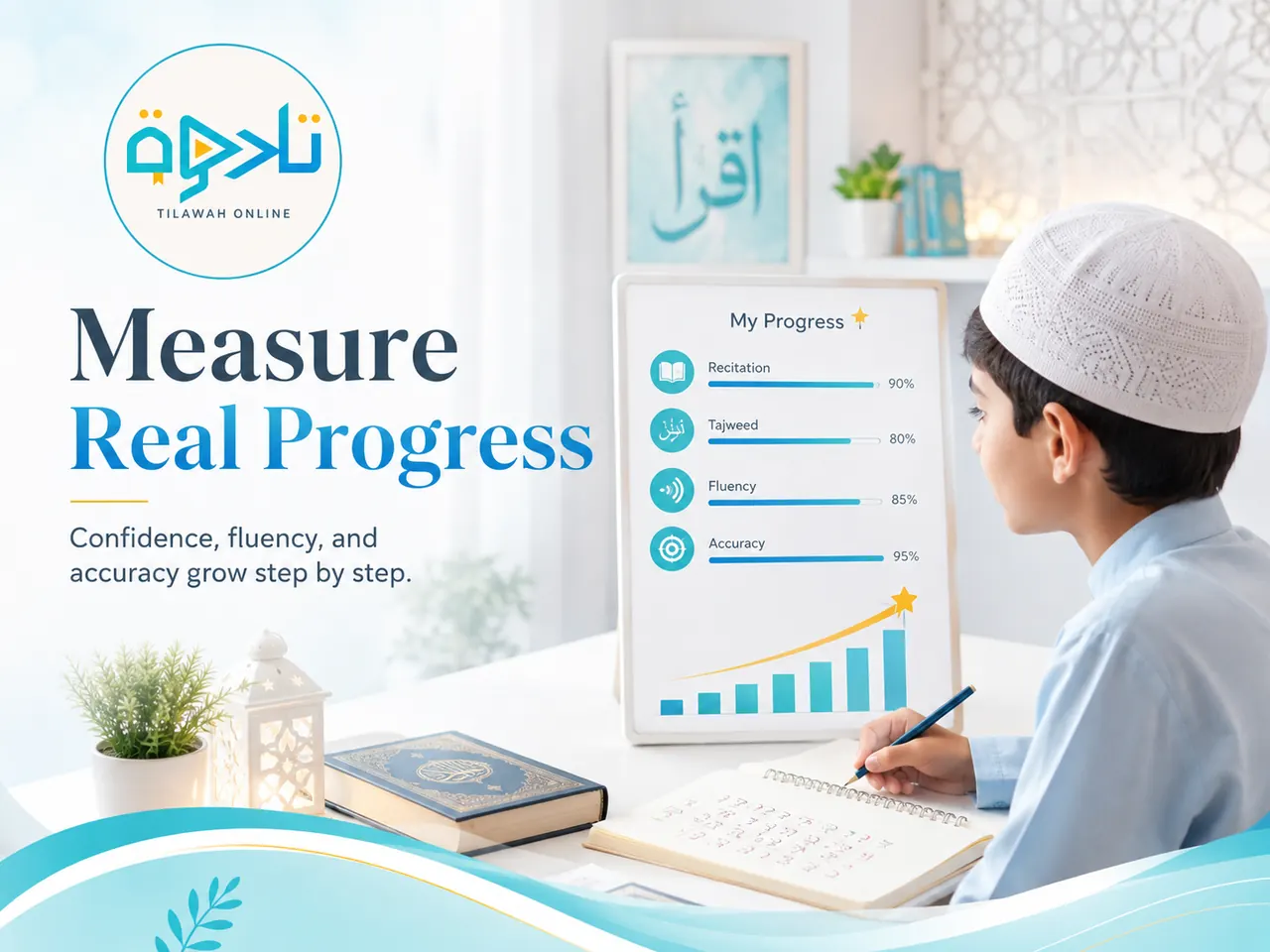
A professional teacher should be comfortable with appropriate parent visibility and clear communication. Live feedback is particularly useful when the learner cannot hear the difference between the current attempt and the target. A well-run lesson should leave the learner with a specific next action rather than a vague instruction to 'practise more'. This is also why a trial lesson can be informative: it lets the learner or parent see how the teacher listens, explains, prioritises and adapts.
A useful checkpoint is simple: can the learner perform the target with less prompting than before, and can the same skill survive a slightly different example? If not, reduce the task, correct the exact difficulty and repeat at the right level instead of adding more material.

Four ways a sensible plan gets derailed
Most setbacks do not require a completely new curriculum. They require a clearer priority and more accurate feedback.
Do not let volume hide the main issue. The priority is to correct the pattern behind monitor online Quran lessons parents, not merely to finish another page.
A skill that appears only in a rehearsed example is not yet secure. Test it in a different word, verse, starting point or context.
The learner should know exactly what to listen for or change during home practice.
Use evidence such as the child communicates directly with the teacher while the parent still understands the learning plan alongside pages, lessons or surahs completed.
Monitor Online Quran Lessons Parents: the complete learning loop
Use this map to keep assessment, practice, transfer and review connected.
steady, accurate progress


A short example of live online learning
This video is included because the learning format is directly relevant to the decisions discussed in this guide. Watch for active learner participation, clear correction and a defined lesson focus.
See how learning worksQuestions learners and families often ask
What should I focus on first when working on monitor online Quran lessons parents?
Start with agree on when a parent should stay nearby, especially for younger children, and what information the teacher will report. The first priority should remove the skill that is currently blocking the next stage, rather than following a fixed sequence simply because it appears in a book or course outline.
How often should I practise between lessons?
Use short, repeatable practice built around one clear target. A practical model is to ask the child one simple question about what they practised instead of retesting the whole lesson immediately. Consistency is usually more useful than one long session followed by several days without practice.
How can I tell whether the learner is actually improving?
Look for the child communicates directly with the teacher while the parent still understands the learning plan. Compare similar tasks every few weeks and pay attention to independence, recurring corrections and retention rather than page count alone.
When is a teacher especially useful?
A professional teacher should be comfortable with appropriate parent visibility and clear communication. A teacher is most valuable where the learner cannot reliably diagnose or correct the problem alone.
What should I avoid?
One common mistake is correcting the child over the teacher, answering for them or interrupting every hesitation. It can make progress look fast in the short term while leaving the underlying skill unstable.
What should parents do at home?
Keep the home role supportive and specific. Help the child attend on time, prepare the required material and complete the agreed practice, but avoid turning every home session into a second full lesson.
Related Tilawa Academy resources
Not sure where you or your child should begin?
A free trial lesson can help identify the learner’s present level, the most useful next priority and a suitable teacher match before regular lessons begin.